A little help.
A world of play
Choose your child's game. Find a gentle start, a new challenge, worksheet answers, and something to try together away from the screen.
Help for all 44 learning sets.
Tavi: Magic Window
How to start
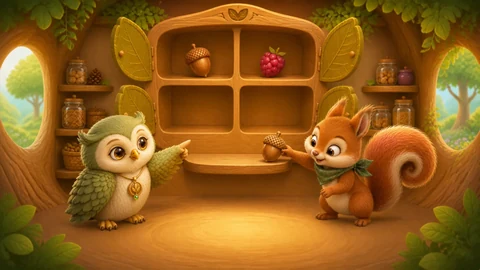
Start with Copy the shelf. Look at each treasure and its cubby, then place the treasures in the matching spaces. In later levels, remember the arrangement after the model disappears.
What your child practices
Remembering what belongs where, comparing a model with a copy, and using positions such as top, bottom, and middle.
Make it easier or try a challenge
A gentler start
Stay with the first level, where the model remains visible. Name one treasure and its place together, then let your child place it.
A little more thinking
Before placing anything, point to the remembered locations. After checking, invite your child to show which location helped them remember the others.
These are ways to support or extend play together. Your child can point, act, or explain; saying the answer aloud is optional.
Little hints & worksheet answers
Which cubby did that treasure visit? Look at the row as well as the column.
For a worksheet, match its picture and age before opening a hint or answer.
Open worksheet answersTry it away from the screen
Draw six spaces in two rows. Put two large toys in different spaces, look together, then cover them. Use another grid to rebuild the arrangement and uncover to compare.
Aro: Sky Tubes
How to start
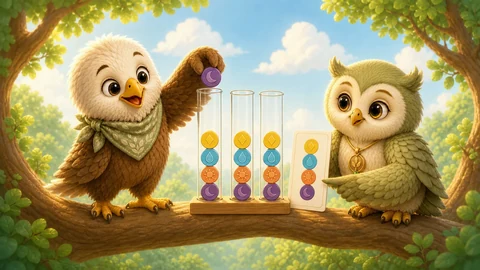
Watch the opening examples. Read the model tube from bottom to top and choose amulets in that order. Later, use the visible beginning to continue the repeating pattern.
What your child practices
Copying an ordered sequence, noticing a repeating unit, and predicting what comes next.
Make it easier or try a challenge
A gentler start
Begin with the two-amulet model. Point to the bottom amulet, then the one above it; name each picture as your child chooses.
A little more thinking
Before adding an amulet, predict the next two pictures and show the part of the pattern that repeats. Off-screen, keep that rule but use different objects.
These are ways to support or extend play together. Your child can point, act, or explain; saying the answer aloud is optional.
Little hints & worksheet answers
Start at the bottom. Which little group of pictures comes back again?
For a worksheet, match its picture and age before opening a hint or answer.
Open worksheet answersTry it away from the screen
Make a row of spoon, sock, spoon, sock. Cover the last two objects. Let your child continue the row, then uncover and compare.
Aro: Cloud Corridor
How to start
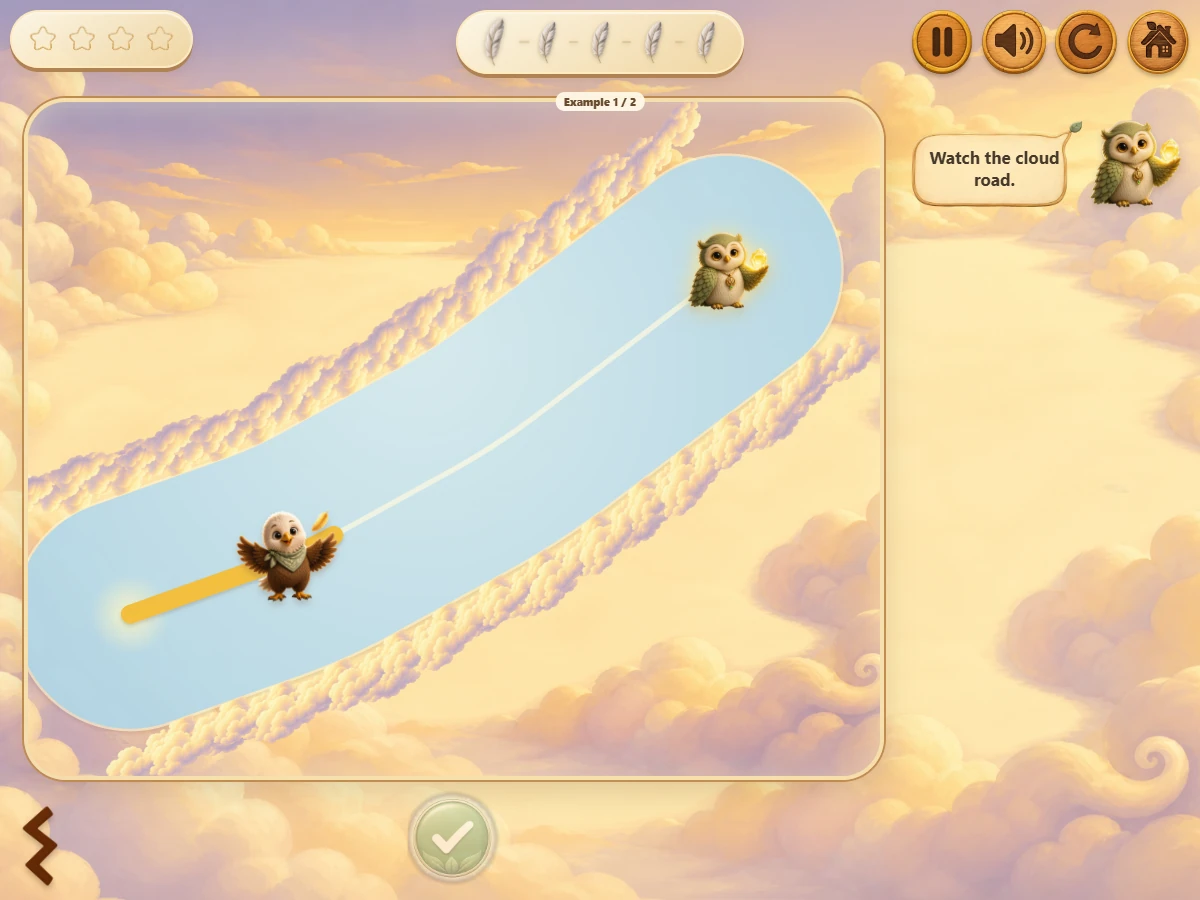
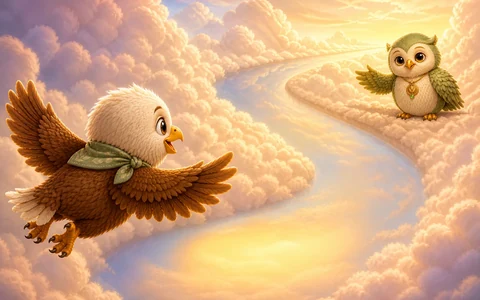
Find Aro and Ori. Draw a continuous route from Aro through the sky corridor to Ori, then tap the check. Keep the line inside the corridor and away from dark clouds.
What your child practices
Planning a route, following boundaries, and adjusting a path around obstacles.
Make it easier or try a challenge
A gentler start
Use the first level without dark-cloud obstacles. Trace the route in the air before drawing it on screen.
A little more thinking
Before drawing in a later level, identify the turns and the space needed beside each cloud. After a retry, point out the part of the route you changed.
These are ways to support or extend play together. Your child can point, act, or explain; saying the answer aloud is optional.
Little hints & worksheet answers
Where does the corridor bend? Is there room for your line beside that cloud?
For a worksheet, match its picture and age before opening a hint or answer.
Open worksheet answersTry it away from the screen
Draw a wide corridor on paper with a start and finish. Add two cloud-shaped obstacles. Take turns drawing a route that stays inside and goes around both clouds.
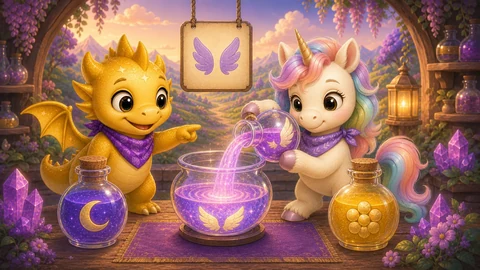
Luvi: Magic Potions
How to start
Look at the picture recipe from left to right. Choose the bottle matching each picture and add one pour for each symbol. Compare your choices with the recipe before checking.
What your child practices
Following a sequence and matching one action to each recipe symbol, including repeated ingredients.
Make it easier or try a challenge
A gentler start
Point to one recipe picture at a time. Keep your finger by the next picture while your child chooses the bottle.
A little more thinking
Before pouring, predict how many times each bottle is needed. Compare that prediction with the completed recipe without changing its order.
These are ways to support or extend play together. Your child can point, act, or explain; saying the answer aloud is optional.
Little hints & worksheet answers
Which recipe picture have you reached? Does the next picture use the same bottle or a different one?
For a worksheet, match its picture and age before opening a hint or answer.
Open worksheet answersTry it away from the screen
Draw moon and star cards and lay out a short recipe. Copy it with a second set of cards, working left to right. Swap roles and let your child make the next recipe.
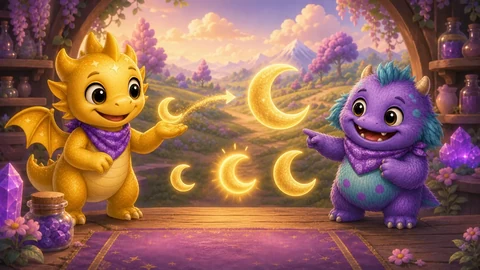
Bivo: Magic Changes
How to start
Look at the example before and after the magic change. Decide whether it grows, shrinks, gains one, or loses one. Choose the result that applies the same change to the new picture, then check.
What your child practices
Recognizing a transformation and applying the same rule to another object or group.
Make it easier or try a challenge
A gentler start
Describe just the change in the example together before looking at the answer pictures. Let your child choose the result.
A little more thinking
Predict the result before comparing the choices. Then show how to reverse the change using a drawing or household objects.
These are ways to support or extend play together. Your child can point, act, or explain; saying the answer aloud is optional.
Little hints & worksheet answers
Look from the first picture to the next. What changed, and what stayed the same?
For a worksheet, match its picture and age before opening a hint or answer.
Open worksheet answersTry it away from the screen
Set out two socks and keep another nearby. Add one and describe the change. Remove one, then invite your child to show how the two actions undo each other.
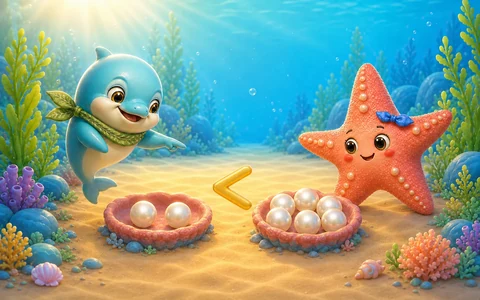
Nesa: Underwater Shoals
How to start
Listen for more, fewer, or the same number, then compare both groups. Choose the matching side or equality answer. In the final level, add bubbles to the smaller group until the groups match.
What your child practices
Comparing quantities, recognizing equality, and finding how many more make two groups equal.
Make it easier or try a challenge
A gentler start
Use the first level and point to each object once while counting. Say the question again before your child chooses.
A little more thinking
In an adding task, predict the missing amount before adding bubbles. Pair the groups to show why your prediction works.
These are ways to support or extend play together. Your child can point, act, or explain; saying the answer aloud is optional.
Little hints & worksheet answers
Give each object on one side a partner on the other. Which objects have no partner?
For a worksheet, match its picture and age before opening a hint or answer.
Open worksheet answersTry it away from the screen
Lay out three socks and five socks in two groups. Pair them one to one. Add socks to the smaller group until every sock has a partner.
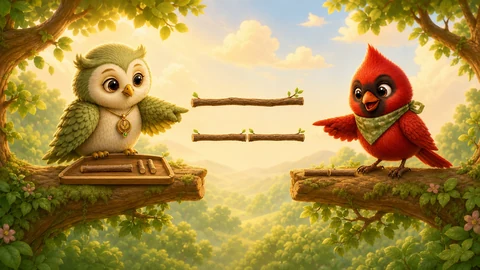
Rubi: Stick Bridges
How to start
Look at the ruler and the number of sticks requested. Choose stick lengths that fill the span exactly, then check. For a repair, include the part of the bridge that is already built.
What your child practices
Combining lengths to make a whole and finding a missing length while also respecting a piece-count rule.
Make it easier or try a challenge
A gentler start
Begin with a one-stick bridge. Compare the start and end of the stick with the start and end of the ruler.
A little more thinking
Before choosing, predict which lengths will fill the remaining gap with the requested number of sticks. Off-screen, find another combination with the same total length.
These are ways to support or extend play together. Your child can point, act, or explain; saying the answer aloud is optional.
Little hints & worksheet answers
Where does the built part end? How much of the ruler is still empty?
For a worksheet, match its picture and age before opening a hint or answer.
Open worksheet answersTry it away from the screen
A grown-up cuts short, medium, and long paper strips. Join two strips end to end. Try to match the length of one longer strip without gaps or overlaps.
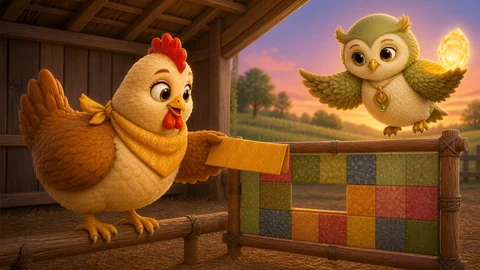
Kena: Cozy Roost Quilt
How to start
Look at the empty quilt row. Choose strips and join them end to end so they fill the row exactly. Check for a gap or an extra piece extending beyond the end.
What your child practices
Comparing lengths and composing the same whole from different parts.
Make it easier or try a challenge
A gentler start
Use the first level with one strip. Point to both ends of the row before comparing the choices.
A little more thinking
Predict how much space remains after the first strip. With paper strips, find two different ways to fill a row of the same length.
These are ways to support or extend play together. Your child can point, act, or explain; saying the answer aloud is optional.
Little hints & worksheet answers
If this strip goes first, where will it end? What space will still need filling?
For a worksheet, match its picture and age before opening a hint or answer.
Open worksheet answersTry it away from the screen
Draw a row of three equal boxes. Make paper strips one, two, and three boxes long. Find different ways to fill the row without gaps or overlaps.
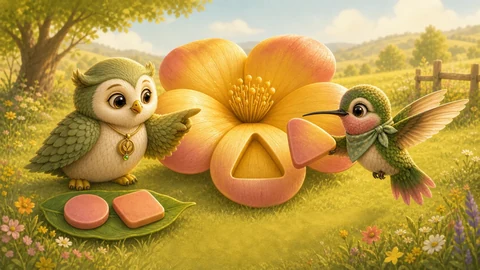
Zumi: Shape Blossoms
How to start
Compare the flower opening with the available shapes. Choose and place a piece; in turning tasks, rotate it to fit. Fill the required spaces, then check.
What your child practices
Matching outlines, turning shapes in space, and joining parts into a whole.
Make it easier or try a challenge
A gentler start
Begin with the first matching level, which needs no rotation. Follow the outline with a finger and notice its curves or corners.
A little more thinking
Predict which way a piece must turn before moving it. In a two-part shape, show how the joining edges make the complete outline.
These are ways to support or extend play together. Your child can point, act, or explain; saying the answer aloud is optional.
Little hints & worksheet answers
Compare one edge of the piece with the opening. Which edges could meet?
For a worksheet, match its picture and age before opening a hint or answer.
Open worksheet answersTry it away from the screen
A grown-up cuts a paper circle into two pieces. Turn and mix them. Let your child join them into the circle, then try a differently cut circle.
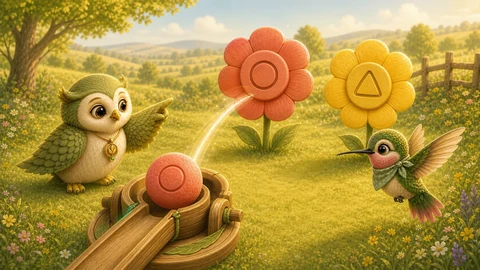
Zumi: Color Pollen
How to start
Look at the pollen puff's color and symbol. Choose the flower matching both, then send the pollen with the check. Later tasks ask you to send two or three puffs in order.
What your child practices
Matching two features at once and following an ordered sequence of choices.
Make it easier or try a challenge
A gentler start
Start with the two-flower level. Name the color and symbol together, then let your child compare both flowers.
A little more thinking
Before sending a sequence, point to its flower destinations in order. Explain or show why a flower matching only one feature does not fit.
These are ways to support or extend play together. Your child can point, act, or explain; saying the answer aloud is optional.
Little hints & worksheet answers
You checked the color. What symbol needs to match too?
For a worksheet, match its picture and age before opening a hint or answer.
Open worksheet answersTry it away from the screen
Draw three pairs of cards with a color and symbol on each. Mix one set and keep the other in a row. Match both clues, then copy a short order of cards.
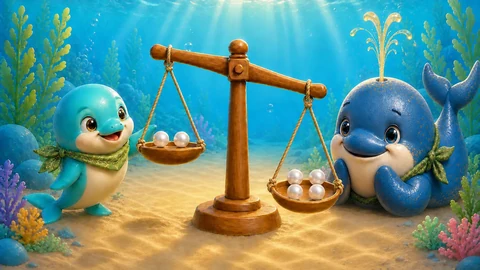
Bali: Ocean Balance
How to start
Listen to whether Bali needs more or fewer pearls. Count both sides and tap the requested side. In Add pearls, choose the pearl group that makes the two sides equal.
What your child practices
Comparing quantities and finding the difference needed to make equal groups.
Make it easier or try a challenge
A gentler start
Stay with More pearls and count each pearl once. Check both sides rather than judging by the size of the pan.
A little more thinking
Before choosing an added group, predict how many pearls are missing. Pair the two groups to show why that amount balances them.
These are ways to support or extend play together. Your child can point, act, or explain; saying the answer aloud is optional.
Little hints & worksheet answers
What is the question asking for: more or fewer? Which pearls still need a partner?
For a worksheet, match its picture and age before opening a hint or answer.
Open worksheet answersTry it away from the screen
Put two large blocks on one plate and four on another. Compare the groups. Add blocks to the smaller group until the amounts match.
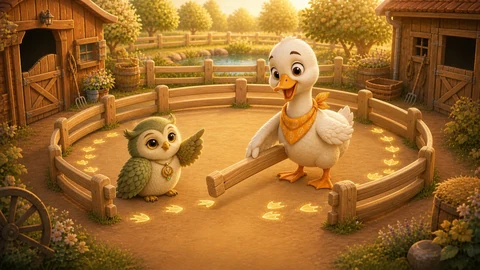
Hano: Safe Little Yard
How to start
Find a glowing gap in Hano's fence. Choose a panel pointing in the same direction and place it in the gap. Fill the gaps, then check that the fence forms a closed loop.
What your child practices
Matching direction, connecting endpoints, and recognizing an open or closed boundary.
Make it easier or try a challenge
A gentler start
Begin with one gap. Trace the neighboring fence pieces and compare the direction of the missing part.
A little more thinking
Before placing a panel, show where both ends must meet. After filling several gaps, trace the entire boundary to explain why it is closed.
These are ways to support or extend play together. Your child can point, act, or explain; saying the answer aloud is optional.
Little hints & worksheet answers
Does this gap go across, up, or at a slant? Will both ends of your panel meet the fence?
For a worksheet, match its picture and age before opening a hint or answer.
Open worksheet answersTry it away from the screen
Make a fence with craft sticks and leave one gap. Turn a spare stick to close it. Trace the whole loop, then let your child leave a new gap for you.
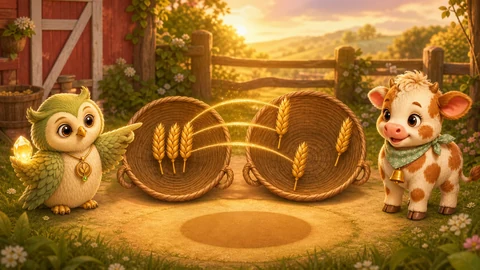
Muva: Same Number Baskets
How to start
Look at Muva's target basket. Choose a basket with the same number of treats, then check. Later tasks change spacing or the kind of treat, and eventually ask for two baskets together.
What your child practices
Recognizing equal quantities despite different appearances or spacing, and combining two parts into one total.
Make it easier or try a challenge
A gentler start
Use the first level with small, still groups. Point to one treat in each basket to make pairs.
A little more thinking
In a two-basket task, predict the total before choosing. Show why spreading treats farther apart does not change their number.
These are ways to support or extend play together. Your child can point, act, or explain; saying the answer aloud is optional.
Little hints & worksheet answers
Does each treat have a partner? Did any treats get added when the spaces changed?
For a worksheet, match its picture and age before opening a hint or answer.
Open worksheet answersTry it away from the screen
Make two groups of three spoons. Spread one group out. Pair the spoons again to check whether the two groups still have the same number.
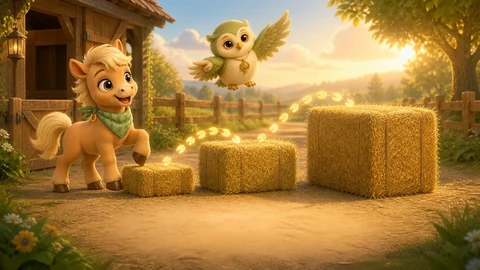
Tilo: Hay Bale Steps
How to start
Follow the row of hay bales and find the missing size. Compare the bales on both sides of the gap, choose a bale, then check. In the bonus task, check the rope color as well.
What your child practices
Ordering by size, using neighboring items to infer a missing value, and combining two clues.
Make it easier or try a challenge
A gentler start
Point along the row from small to big. Compare only the two neighbors beside the gap before looking at the choices.
A little more thinking
Predict the missing size before choosing. In the bonus, show why a bale with the right size but the wrong rope color fails one rule.
These are ways to support or extend play together. Your child can point, act, or explain; saying the answer aloud is optional.
Little hints & worksheet answers
What must fit between these two neighbors? Is there another clue to check?
For a worksheet, match its picture and age before opening a hint or answer.
Open worksheet answersTry it away from the screen
Choose three cups of different sizes. Order them from small to big and remove one. Let your child replace it and show why that position works.
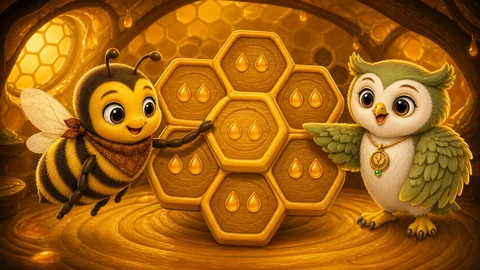
Bizo: Hive Match
How to start
Watch the two opening examples. Turn the middle tile until the drops match across every touching edge. Check all required edges before confirming the match.
What your child practices
Comparing equal quantities while mentally tracking a rotation and satisfying several conditions together.
Make it easier or try a challenge
A gentler start
Start with one touching edge. Compare the two groups of drops after each turn.
A little more thinking
Before turning, predict where a chosen group of drops will move. On later levels, check whether a turn that fixes one edge also preserves the other matches.
These are ways to support or extend play together. Your child can point, act, or explain; saying the answer aloud is optional.
Little hints & worksheet answers
These drops match. What happened to the drops at the other touching edge?
For a worksheet, match its picture and age before opening a hint or answer.
Open worksheet answersTry it away from the screen
A grown-up makes two paper hexagons and draws dots beside their edges. Keep one still and turn the other to match the dot groups on the touching edges.
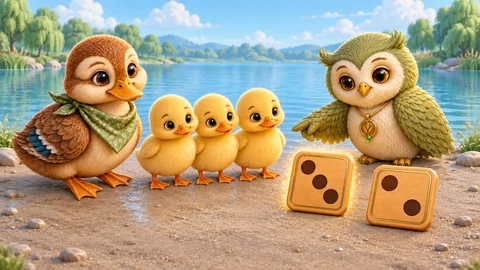
Dako: Beach Parade
How to start
Count each duckling once, choose the matching amount, then check. Later, include a hiding duckling, recount after one joins or leaves, or find a position in the parade.
What your child practices
One-to-one counting, keeping track of hidden quantities, noticing one more or less, and using ordinal position.
Make it easier or try a challenge
A gentler start
Begin with Count 1 to 3. Point to one duckling for each number and compare with the dots on the answer card.
A little more thinking
Predict the total when one joins or leaves before recounting. In the position task, show how third in line differs from three ducklings altogether.
These are ways to support or extend play together. Your child can point, act, or explain; saying the answer aloud is optional.
Little hints & worksheet answers
Have you counted every duckling once, including the one you saw hiding?
For a worksheet, match its picture and age before opening a hint or answer.
Open worksheet answersTry it away from the screen
Line up three to five large toys. Cover one without moving it and count the whole line. Uncover to check, then find the third toy starting from the left.
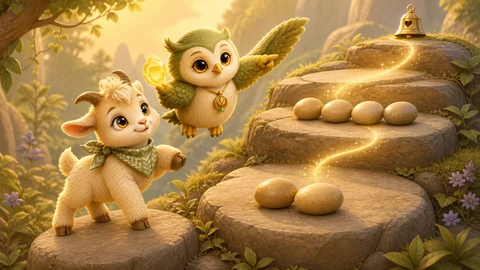
Juno: Rocky Climb
How to start
Compare the groups on the rocky shelves. Choose the shelf with more and tap the check. Later levels use numerals as well as groups of objects.
What your child practices
Comparing quantities and numerals, while ignoring the size or appearance of the shelf.
Make it easier or try a challenge
A gentler start
Use the first two-shelf level. Count both groups aloud with one point per object.
A little more thinking
Before checking a numeral task, show the two amounts with fingers or marks. Explain or point out how you know which is larger.
These are ways to support or extend play together. Your child can point, act, or explain; saying the answer aloud is optional.
Little hints & worksheet answers
Compare what is on the shelves, not how big the rocks look. Which group has more?
For a worksheet, match its picture and age before opening a hint or answer.
Open worksheet answersTry it away from the screen
Make groups of two and four large blocks. Choose the larger group, then swap their places and spread one out. Check whether the larger amount changed.
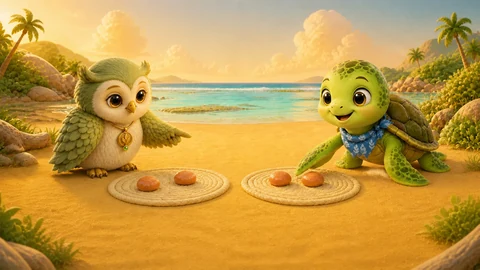
Buno: Equal Picnic
How to start
Watch the examples, then use the pictured picnic to answer the question. Choose how many belong on each mat, which picnic is equal, or which mat needs one more, then tap OK.
What your child practices
Equal sharing, comparing groups, and distinguishing the number of pairs from the number of individual objects.
Make it easier or try a challenge
A gentler start
Start with sharing between two mats. Use matching large objects beside the screen to give one to each mat in turn.
A little more thinking
Predict an equal share between three mats, then check by dealing objects. Show how the number on each mat differs from the total.
These are ways to support or extend play together. Your child can point, act, or explain; saying the answer aloud is optional.
Little hints & worksheet answers
If every mat gets one in turn, what happens when you go around again?
For a worksheet, match its picture and age before opening a hint or answer.
Open worksheet answersTry it away from the screen
Put six large blocks between two plates. Share one at a time and compare the plates. Gather the same six blocks and try sharing them among three plates.
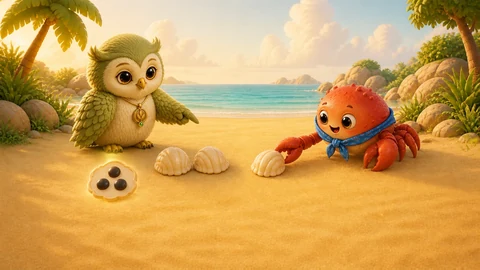
Pevo: Shell Sums
How to start
Count the shells, choose the matching number, then tap OK. Later, combine two groups, follow a shell joining or leaving, or find a missing part of a total.
What your child practices
Connecting quantities with numbers, adding small groups, and reasoning about a whole and its missing part.
Make it easier or try a challenge
A gentler start
Use Count the shells with one to three shells. Point to each shell once and match it with the dots in the choices.
A little more thinking
For a missing-part task, predict what must join the visible group. Check your idea by building both parts with objects.
These are ways to support or extend play together. Your child can point, act, or explain; saying the answer aloud is optional.
Little hints & worksheet answers
Which shells can you already see? What part is still needed to make the whole?
For a worksheet, match its picture and age before opening a hint or answer.
Open worksheet answersTry it away from the screen
Set out five socks. Split them into groups of two and three, then join them. Keep one group visible and ask your child to find the missing part.
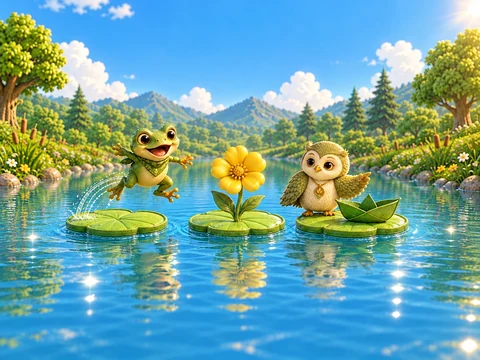
Pim: Lily Hops
How to start
Find Pim, the flower, and the boat. Plan the requested short and long hops by choosing the landing lilies, then check and watch the route. Collect the flower before reaching the boat.
What your child practices
Planning a sequence of moves, comparing hop lengths, and satisfying a route's goal and obstacle rules.
Make it easier or try a challenge
A gentler start
Begin with two short hops. Point to the next landing before adding it to the plan.
A little more thinking
Point through the complete route before checking. In later tasks, predict which landing avoids Sevi while still collecting the flower.
These are ways to support or extend play together. Your child can point, act, or explain; saying the answer aloud is optional.
Little hints & worksheet answers
Where will this hop land? Have you visited the flower before the boat?
For a worksheet, match its picture and age before opening a hint or answer.
Open worksheet answersTry it away from the screen
Draw six lily pads, a starting place, a flower, and a boat on paper. Make a route with short and long finger hops, then move a toy along it to check.
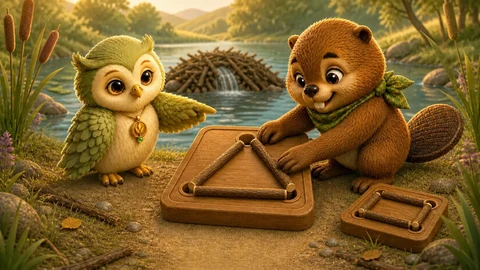
Kova: Shape Builder
How to start
Follow the shape's outline. Tap a stick and a side, or drag the stick into place. Build each required side, then check that the frame is closed.
What your child practices
Recognizing sides and corners, counting a boundary once around, and building a closed shape.
Make it easier or try a challenge
A gentler start
Start with the three-sided frame. Trace each empty side and place one stick at a time.
A little more thinking
Before building, predict how many sticks the outline needs. Afterward, turn a paper version and check whether the number of sides changes.
These are ways to support or extend play together. Your child can point, act, or explain; saying the answer aloud is optional.
Little hints & worksheet answers
Follow the outside edge. Which side still has a gap?
For a worksheet, match its picture and age before opening a hint or answer.
Open worksheet answersTry it away from the screen
Gather six craft sticks. Use three to make a closed shape, touching the endpoints. Count its sides, then try a closed shape with four sticks.
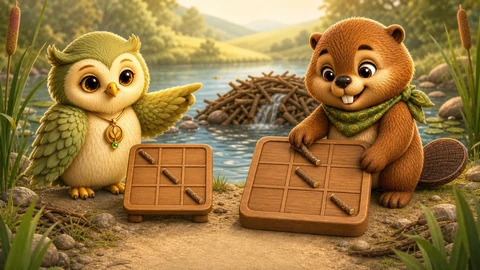
Kova: Dam Memory
How to start
Watch where Kova places the logs. When the model disappears, rebuild those positions and tap the check. After a mismatch, use the next look to revise your placement.
What your child practices
Remembering spatial positions and using rows, columns, and relative location to rebuild an arrangement.
Make it easier or try a challenge
A gentler start
Stay with the first two-log level. Name the two places together during the viewing time.
A little more thinking
Before rebuilding, describe or point to a remembered relationship, such as two logs in one row. Check that relationship after placing them.
These are ways to support or extend play together. Your child can point, act, or explain; saying the answer aloud is optional.
Little hints & worksheet answers
What do you remember about that row? Was the log near the edge or the middle?
For a worksheet, match its picture and age before opening a hint or answer.
Open worksheet answersTry it away from the screen
Draw a two-by-three grid and place two crayons in it. Look, cover, and point to the remembered spaces on a second grid. Uncover to compare.
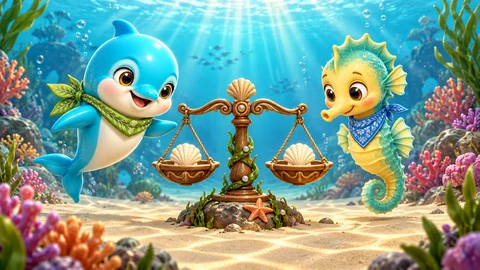
Kuvi: Balance Builder
How to start
In the first tasks, choose the treasure matching the one on the scale. Later, use each treasure's weight dots to choose what makes both pans equal, including anything already on the pan.
What your child practices
Matching objects, combining represented weights, and finding a missing part of an equal total.
Make it easier or try a challenge
A gentler start
Begin with Shell twins. Compare the shell's outline and details with one choice at a time.
A little more thinking
In a weight task, predict the missing weight before choosing a treasure. Show why different collections of treasures can have the same total weight dots.
These are ways to support or extend play together. Your child can point, act, or explain; saying the answer aloud is optional.
Little hints & worksheet answers
What is already on the pan? How many weight dots are still missing?
For a worksheet, match its picture and age before opening a hint or answer.
Open worksheet answersTry it away from the screen
Use identical large blocks as units. Make a group of four on one side and a group of two on the other. Add blocks to match, then rearrange them and compare again.
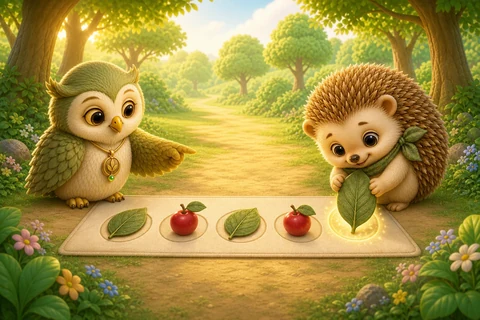
Nima: Forest Pattern Trail
How to start
Follow the forest treasures from left to right. Find the part that repeats and choose what comes next. In later tasks, complete more of the trail or fill a gap.
What your child practices
Finding a repeating unit and using it to predict or restore an ordered pattern.
Make it easier or try a challenge
A gentler start
Begin with the alternating two-picture pattern. Point and say each picture name in a steady rhythm.
A little more thinking
Predict two places ahead and show the repeating unit. Off-screen, make the same rule with different objects or repair one deliberately misplaced object.
These are ways to support or extend play together. Your child can point, act, or explain; saying the answer aloud is optional.
Little hints & worksheet answers
Which small group repeats? Compare this place with the same place in the earlier group.
For a worksheet, match its picture and age before opening a hint or answer.
Open worksheet answersTry it away from the screen
Lay out spoon, spoon, sock twice. Change one object and let your child repair the row. Swap roles and make another pattern with the same rule.
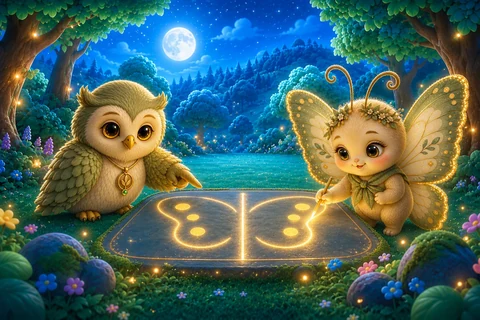
Suvi: Night Mirror
How to start
Draw on the left wing and watch the matching reflection appear on the right. Begin with free drawing; later levels ask you to trace shapes and eventually remember a guide after it fades.
What your child practices
Noticing mirror symmetry, following contours, and relating a point to its reflected position.
Make it easier or try a challenge
A gentler start
Stay with free drawing. Make one short line and look together at what appears on the other wing.
A little more thinking
Before drawing, predict where the reflection will appear. In the memory level, notice the guide's main curves and corners before it fades.
These are ways to support or extend play together. Your child can point, act, or explain; saying the answer aloud is optional.
Little hints & worksheet answers
Where is the matching line on the other side? Is it the same distance from the middle?
For a worksheet, match its picture and age before opening a hint or answer.
Open worksheet answersTry it away from the screen
Fold and open a sheet of paper. Draw a simple shape beside the crease, then draw its partner at the same height and distance on the other side. Fold to compare.
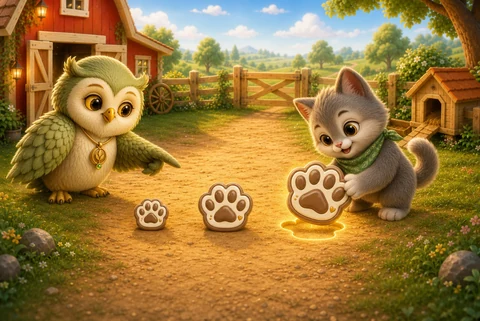
Vela: Pawprint Trail
How to start
Follow the trail and tap each pawprint in order. Later, choose only cat prints among other tracks, follow the trail to Vela, and match prints with their owner.
What your child practices
One-to-one counting, tracking a sequence around bends, and sorting by visual features.
Make it easier or try a challenge
A gentler start
Use the first short trail. Point to the start and say one number for each whole pawprint.
A little more thinking
Before tapping a mixed trail, show which feature distinguishes the cat prints. Explain or point out why a nearby dog print does not belong.
These are ways to support or extend play together. Your child can point, act, or explain; saying the answer aloud is optional.
Little hints & worksheet answers
Which whole print comes next along the trail? Look at its shape before choosing.
For a worksheet, match its picture and age before opening a hint or answer.
Open worksheet answersTry it away from the screen
Draw three pawprints on separate paper cards. Arrange and count them along a trail. Bend the trail and count again, keeping every card.
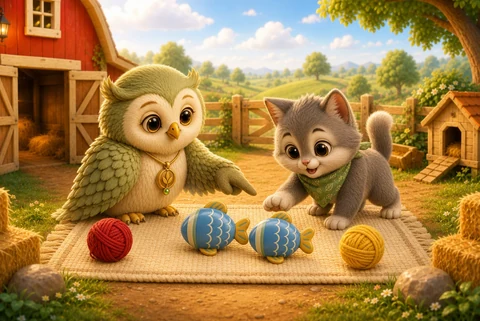
Vela: Match the Toys
How to start
Listen to the matching rule, choose two cards, then tap the check. Early boards show the pictures; later boards ask you to remember where pairs are hiding. Some matches connect a friend with a thing rather than two identical pictures.
What your child practices
Matching by a rule, remembering locations, and counting pairs as groups of two.
Make it easier or try a challenge
A gentler start
Start with the open two-pair board. Compare the toy and its color before selecting both cards.
A little more thinking
For a hidden pair, name the remembered location before turning a card. After matching, show the difference between how many pairs and how many cards you found.
These are ways to support or extend play together. Your child can point, act, or explain; saying the answer aloud is optional.
Little hints & worksheet answers
What is the rule on this board: twins, matching details, or a friend and their thing?
For a worksheet, match its picture and age before opening a hint or answer.
Open worksheet answersTry it away from the screen
Mix two pairs of socks and match them. Count the pairs, then count the individual socks. Cover the socks with paper to try a small memory game.
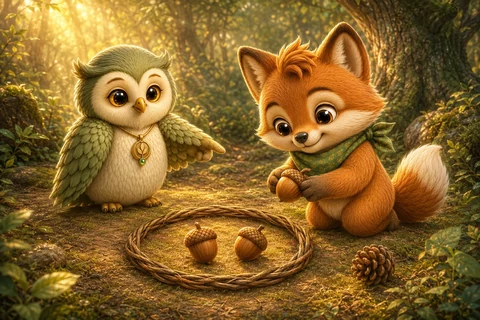
Rilo: Forest Circles
How to start
Look at the picture rule for each twig circle. Choose a treasure and its place, then check. Some treasures belong outside; later tasks include an empty set and an overlap for things meeting both rules.
What your child practices
Sorting into sets, recognizing zero, and applying one or two category rules.
Make it easier or try a challenge
A gentler start
Start by collecting acorns. Name the circle's picture rule together before your child places each object.
A little more thinking
At the overlapping circles, check both rules for every object. Show why an object can belong in the overlap or outside both circles.
These are ways to support or extend play together. Your child can point, act, or explain; saying the answer aloud is optional.
Little hints & worksheet answers
Does this treasure match the first rule, the second rule, both, or neither?
For a worksheet, match its picture and age before opening a hint or answer.
Open worksheet answersTry it away from the screen
Draw two overlapping circles. Sort large paper shapes using circles for one rule and red for the other. Decide where a red circle belongs and leave other shapes outside.
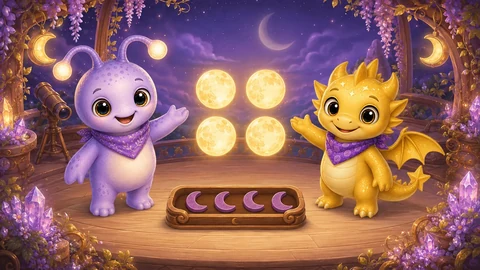
Orbo: Moonlight Blink
How to start
Look at the group of glowing objects and choose the dot card with the same amount. The first groups stay visible; later groups flash and disappear before you answer.
What your child practices
Recognizing small quantities, matching different representations of an amount, and remembering a briefly shown group.
Make it easier or try a challenge
A gentler start
Stay with Moon Garden, where one to three moons remain visible. Give your child time to look before choosing.
A little more thinking
After a blink, show how you remembered the group, for example two together and one beside them. Check the amount without treating speed as the goal.
These are ways to support or extend play together. Your child can point, act, or explain; saying the answer aloud is optional.
Little hints & worksheet answers
What small groups did you see? Which dot card shows the same amount?
For a worksheet, match its picture and age before opening a hint or answer.
Open worksheet answersTry it away from the screen
Draw one to three large dots on a card. Look, cover it, and make the same amount with fingers or marks. Uncover and compare; leave it visible if hiding is too hard.
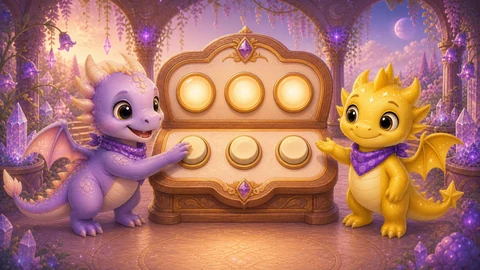
Dralo: Buttons and Lights
How to start
Follow Dralo's light task: press as many buttons as lights, continue a pattern, repeat a sequence, or find one more. In the last level, choose a three-light program and watch it run.
What your child practices
One-to-one matching, recognizing repeats, remembering order, and planning a short sequence of actions.
Make it easier or try a challenge
A gentler start
Start with the counting level. Point to one light for each button press.
A little more thinking
Before running your three-light program, predict its order aloud or with gestures. Change one choice and predict what will be different.
These are ways to support or extend play together. Your child can point, act, or explain; saying the answer aloud is optional.
Little hints & worksheet answers
Which light comes next in your plan? Compare the order, not just the colors.
For a worksheet, match its picture and age before opening a hint or answer.
Open worksheet answersTry it away from the screen
Make a short row with two kinds of socks. Copy it in a second row, checking left to right. Let your child invent a three-object plan for you to follow.
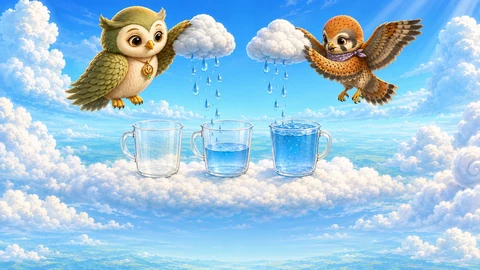
Falo: Raincloud Cups
How to start
Look at the target water level or comparison rule. Tap a cloud to add a rain step or pour water out, then check. Later tasks ask for matching amounts or a whole row of water levels.
What your child practices
Comparing amounts in identical containers and changing an amount step by step to meet a target.
Make it easier or try a challenge
A gentler start
Begin with a single cup. Name empty, half-full, or full and watch the water line after one change.
A little more thinking
Before changing a cup, predict how many rain steps it needs. For a row, compare each cup with the matching position in the model.
These are ways to support or extend play together. Your child can point, act, or explain; saying the answer aloud is optional.
Little hints & worksheet answers
Is this water line above, below, or at the target? What will one rain step change?
For a worksheet, match its picture and age before opening a hint or answer.
Open worksheet answersTry it away from the screen
With a grown-up, put two identical clear cups on a tray. Add water with a spoon and compare their lines. Add or remove one spoonful and compare again.
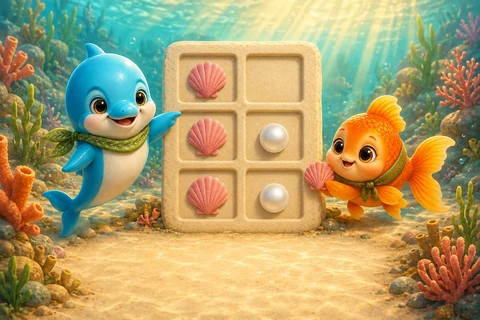
Coro: Coral Picture Chart
How to start
Match each sea treasure to its picture column. Build the columns from the bottom, then answer the comparison question using the filled spaces.
What your child practices
Sorting by kind, representing quantities in aligned columns, and comparing more, fewer, or the same.
Make it easier or try a challenge
A gentler start
Name one column's picture together. Let your child place a treasure, then find the next empty space in that column.
A little more thinking
Predict how adding one treasure will change the comparison. Show how pairing across the two columns checks the answer.
These are ways to support or extend play together. Your child can point, act, or explain; saying the answer aloud is optional.
Little hints & worksheet answers
Do both columns start at the same line? Which filled spaces have no partner?
For a worksheet, match its picture and age before opening a hint or answer.
Open worksheet answersTry it away from the screen
Cut equal-sized paper squares in two colors. Sort them into columns starting at one line, without gaps. Compare the columns and move one square to see what changes.
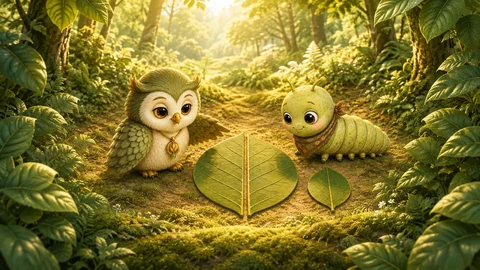
Muno: Leaf Pieces
How to start
Look at Muno's leaf and compare the available pieces with the spaces. Match the outlines and cut edges to rebuild the whole leaf, then check.
What your child practices
Seeing how parts compose a whole and checking their fit by shape and position. A number of pieces alone does not prove that the parts are equal.
Make it easier or try a challenge
A gentler start
Begin with a two-piece leaf. Compare one cut edge and the outside curve before placing a piece.
A little more thinking
Predict which pieces will complete the leaf before placing them. Off-screen, compare two different cuts of the same whole and check whether their parts are actually equal.
These are ways to support or extend play together. Your child can point, act, or explain; saying the answer aloud is optional.
Little hints & worksheet answers
Which cut edges could meet? Does the outside curve continue across the join?
For a worksheet, match its picture and age before opening a hint or answer.
Open worksheet answersTry it away from the screen
Draw two paper leaves. A grown-up cuts one into two pieces and the other into three. Mix each leaf's pieces and rebuild it, checking the joins rather than naming every piece a half or third.
Ori: Welcome to Wondermaths
How to start
Choose a world with Ori. Look at the picture and find its missing piece, explore coloring, and match picture pairs as the adventure continues. Follow the prompt for the activity in front of you.
What your child practices
Relating a part to a whole, matching pictures, and remembering places. Free coloring is creative play and has no single correct color scheme.
Make it easier or try a challenge
A gentler start
Compare one missing piece with the picture, looking for a line or color that continues across the edge. Pause after one activity.
A little more thinking
Before choosing, point to two details that must line up. For memory pairs, predict where a matching picture is hiding before turning it.
These are ways to support or extend play together. Your child can point, act, or explain; saying the answer aloud is optional.
Little hints & worksheet answers
Which line or detail continues from the picture into this piece?
For a worksheet, match its picture and age before opening a hint or answer.
Open worksheet answersTry it away from the screen
Draw a scene together. Fold one corner behind the paper and guess what is missing. Open it to compare, then hide a different part.
Ori: Meet the Wondermaths Friends
How to start
Choose a friend or adventure and a picture puzzle. Begin with four or six pieces. Drag a piece, or tap it and then a place, to build the whole picture.
What your child practices
Combining parts into a whole, matching picture details and edges, and using spatial relationships.
Make it easier or try a challenge
A gentler start
Choose four pieces. Look at the whole picture together and find one clear detail that continues across a join.
A little more thinking
Choose more pieces when ready. Predict where a piece belongs using both its picture and edge, then show which clue helped you rule out another place.
These are ways to support or extend play together. Your child can point, act, or explain; saying the answer aloud is optional.
Little hints & worksheet answers
Look at the picture detail and the edge. Which neighboring piece could continue both?
For a worksheet, match its picture and age before opening a hint or answer.
Open worksheet answersTry it away from the screen
Draw a picture on scrap paper. A grown-up cuts it into four pieces. Rebuild it, then swap roles so your child can help you notice a useful joining detail.
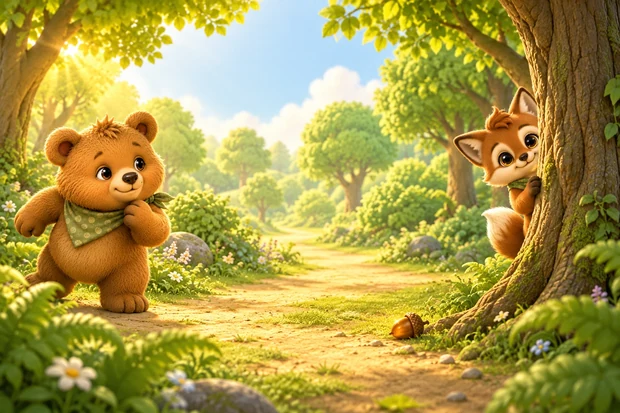
Bodi: Welcome to the Forest
How to start
Follow Bodi's picture clues. Compare each clue with objects in the forest scene, choose its match, and check. Gather the clues and look for the hiding friend.
What your child practices
Comparing visual details, searching systematically, and using clues to select among similar objects.
Make it easier or try a challenge
A gentler start
Look at one clue together and search one small area at a time. Use the little hint when your child needs a starting point.
A little more thinking
Before choosing, show two details that match and one detail that rules out a similar object. Let your child lead the search without pointing out the hiding place.
These are ways to support or extend play together. Your child can point, act, or explain; saying the answer aloud is optional.
Little hints & worksheet answers
Look back at the clue. Which edge, shape, or small detail needs to be the same?
For a worksheet, match its picture and age before opening a hint or answer.
Open worksheet answersTry it away from the screen
Draw six leaves with different outlines. Make a matching clue card for one leaf. Mix the leaves, find the exact match, and take turns choosing the clue.
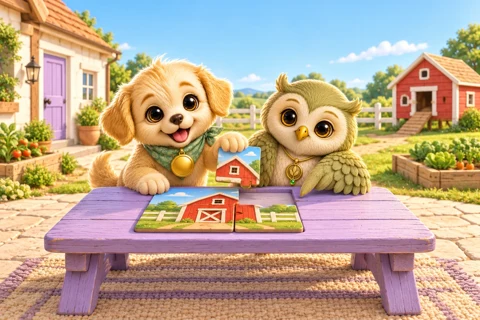
Bly: Welcome to the Farmyard
How to start
Join Bly and visit a farmyard friend. Follow the current activity: put a picture together, find matching pairs, match things to their outlines, or slide a neighboring piece into the empty space.
What your child practices
Part-whole relationships, visual matching, location memory, and planning moves in a sliding puzzle.
Make it easier or try a challenge
A gentler start
Stay with one friend's picture puzzle. Compare colors and edges together. For sliding, first find the pieces directly beside the empty space.
A little more thinking
Before a slide, predict where the empty space will move next. In memory play, name a remembered location before revealing a card.
These are ways to support or extend play together. Your child can point, act, or explain; saying the answer aloud is optional.
Little hints & worksheet answers
Which piece can reach the gap now? What new space will its move leave?
For a worksheet, match its picture and age before opening a hint or answer.
Open worksheet answersTry it away from the screen
Draw a farm picture and have a grown-up cut it into four pieces. Rebuild the picture using its edges and details. Let your child describe or point out the clue you should use next.
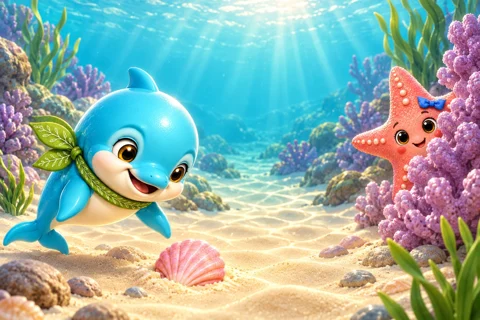
Lumi: Welcome to the Water
How to start
Follow Lumi's clue pictures through the water. Compare the clue with the scene, choose a matching object, then check. Find the hiding water friend after collecting the clues.
What your child practices
Comparing shape and detail, searching while ignoring distractions, and remembering clues when using the memory mode.
Make it easier or try a challenge
A gentler start
Use the mode with visible clues. Name one detail together, then let your child search a small area before moving on.
A little more thinking
Try Remember and find mode when ready. Look at the three clues first, then recall the next one and check its details before choosing.
These are ways to support or extend play together. Your child can point, act, or explain; saying the answer aloud is optional.
Little hints & worksheet answers
What detail makes this object match the clue? Compare its outline or spiral before checking.
For a worksheet, match its picture and age before opening a hint or answer.
Open worksheet answersTry it away from the screen
Choose three pairs of socks. Show one sock as a clue, then mix and partly hide its partners. Find the exact match by comparing details; try remembering the clue before covering it.
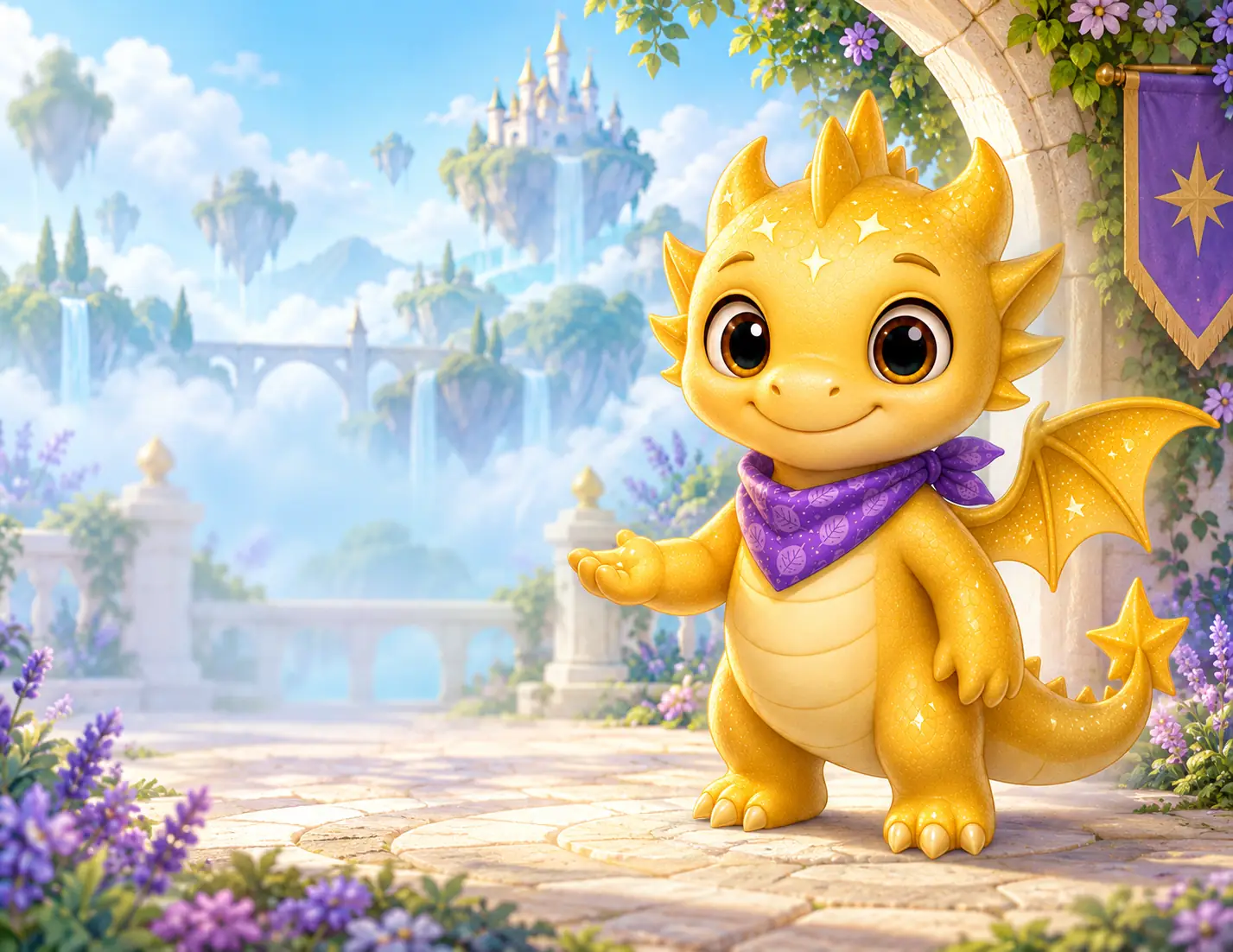
Luno: Welcome to the Magic Realm
How to start
Visit Dralo, Luvi, Bivo, and Orbo with Luno. Each visit includes a picture puzzle, memory pairs, matching objects to outlines, and a sliding picture. Follow the prompt for the current activity.
What your child practices
Combining picture parts, matching shapes, remembering positions, and planning how a move changes the available space.
Make it easier or try a challenge
A gentler start
Begin with one visit and one activity. For the picture puzzle, look for a shared color or edge; for matching, compare one outline at a time.
A little more thinking
Before sliding, point to the piece that can move and predict the next empty space. For memory, show how a remembered location guides your next choice.
These are ways to support or extend play together. Your child can point, act, or explain; saying the answer aloud is optional.
Little hints & worksheet answers
What stays the same when this piece moves? Where will the empty space be next?
For a worksheet, match its picture and age before opening a hint or answer.
Open worksheet answersTry it away from the screen
Draw three pairs of moon, star, and bottle cards. Match them face up first, then turn them over for a small memory game. Take turns describing where a picture was.
Aro: Welcome to the Open Sky
How to start
Begin with Lula's mail and follow the six sky adventures. Match picture clues, turn route signs, slide pieces, seat friends by their needs, and put story events in order. Read or listen to the current task before acting.
What your child practices
Combining clues, using conditions such as beside or without a roof, planning routes and moves, and ordering causes and events.
Make it easier or try a challenge
A gentler start
Start with the face on Lula's first letter. Compare one clue at a time. In later puzzles, name the goal together and use a hint when needed.
A little more thinking
Before checking, predict the outcome of a route or move. For a two-clue task, show why a choice matching only one clue is not enough.
These are ways to support or extend play together. Your child can point, act, or explain; saying the answer aloud is optional.
Little hints & worksheet answers
What are all the clues? Does your plan satisfy every one, including what must happen first?
For a worksheet, match its picture and age before opening a hint or answer.
Open worksheet answersTry it away from the screen
Draw three mailboxes: a twig without a roof, a twig with a roof, and a flower with a roof. Make picture-clue letters and deliver them. Let your child invent a letter using two clues.