Two learning paths · Eight weeks at your pace
Know what to try today
Choose one of the two paths below, then try Activity 1 for about 5–10 minutes today. Save your place when you stop. Next time, return to that activity or choose the next one. Each path has eight flexible weeks; there is no catching up to do.
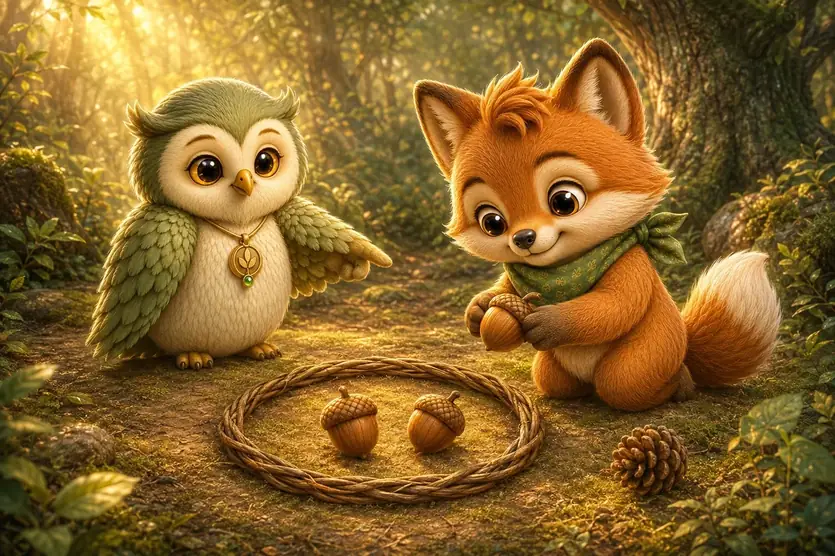
Enjoys collecting and matching? Start today with Rilo: choose what belongs in the collection.
See today’s activity →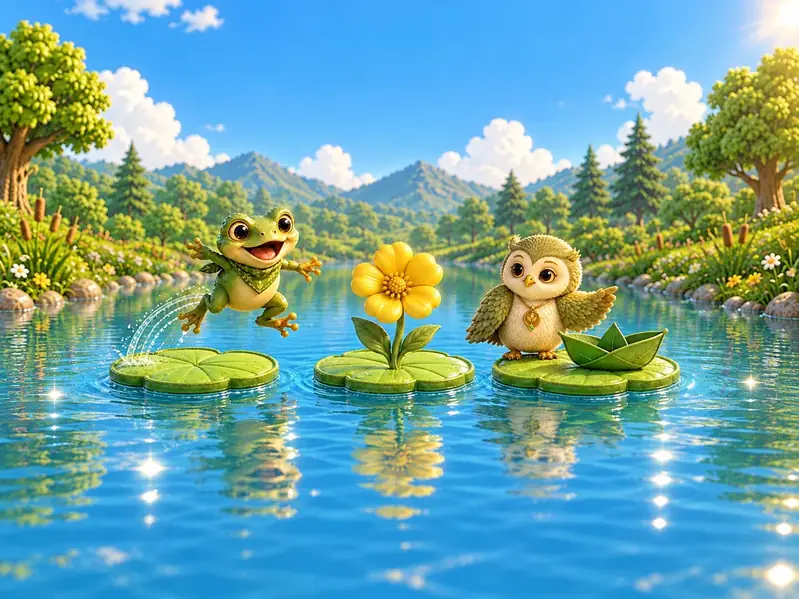
Enjoys experimenting and building? Start today with Falo: add or remove water and watch what changes.
See today’s activity →8 weeks · 24 core activities + 16 optional ideas
Notice, Sort, and Match
Enjoys collecting and matching? Start today with Rilo: choose what belongs in the collection.
Try about 5–10 minutes per activity, or stop sooner. Choose your own days. A missed activity does not create a backlog. These are ideas for playing together, not a test or an individualized development program.
All weeks are available now. Revisit them or change the order. Each week has three core activities and two optional ideas.
Week 1 of 8
First Small Discoveries
Choose your first activity. Open the others whenever you are ready.
Activity 1Rilo: what belongs in the collection?
Today
Choose the first acorn-collecting tasks. Your child points to an object, then chooses a place inside or outside the circle. A few tries are enough.
Play the adventure →Game · Suggested ages 3–6
What to notice
Does your child choose by the kind of object, or place it at random? Watch what they do; a spoken explanation is not required.
Make it easier
Point to the acorn in the example and one object to compare. If the controls get in the way, make the move your child indicates.
What comes next
Repeat the same task if choices still seem random. When your child distinguishes the objects independently, try an activity with Dralo.
Activity 2Dralo: exactly the same number
Today
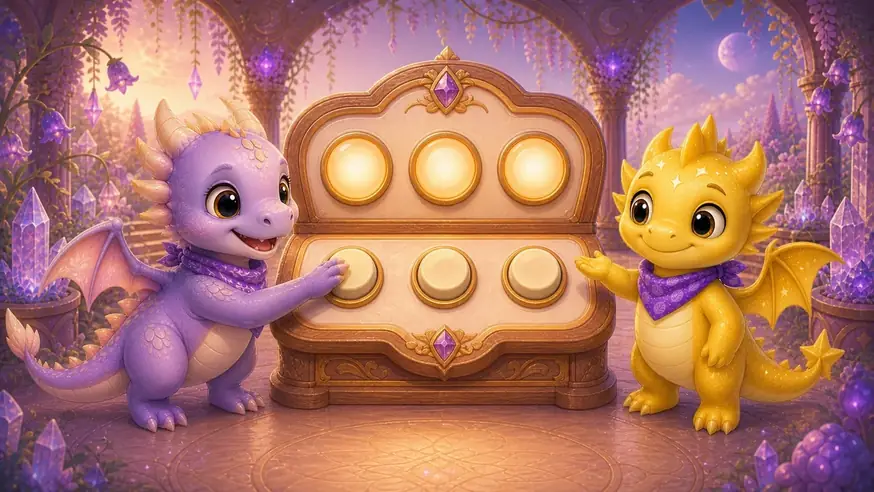
Look at the lights on the first level. Your child presses the buttons as many times as there are lights, then checks the answer.
Play the adventure →Game · Suggested ages 3–6
What to notice
Can your child stop after the needed number of presses? Fast tapping alone does not show an understanding of number.
Make it easier
Point to each light in turn, allowing time for one press. Your child does not need to say the numbers.
What comes next
Repeat with support, or stop pointing on the next try. Kena introduces a new idea: matching lengths.
Activity 3Kena: does the strip fit?
Today
Start with a task using one strip. Let your child try a strip that is too long, too. Compare where the space ends and where the strip ends; your child can remove it and try another.
Play the adventure →Game · Suggested ages 3–5
What to notice
Does your child notice an overhanging strip and change their choice after seeing the result?
Make it easier
Point to the beginning and end of the space. You might say, “Look where it ends.” Leave the choice of strip to your child.
What comes next
Try a similar task again. If it feels comfortable, keep playing; there is no need to finish the whole level.
OPTIONAL IDEAOptional: a collection on the table
Today
Set out a few large, safe objects of two kinds, such as blocks and spoons. Invite your child to gather all the spoons in one place.
What to notice
Does your child use the rule with real objects, too? One attempt is not a developmental test.
Make it easier
Start with two objects, one of each kind.
What comes next
Change the rule together, such as collecting blocks instead. Stop if your child is not interested.
OPTIONAL IDEAOptional: revisit a favorite game
Today
Let your child choose another turn with Rilo, Dralo, or Kena. Start with a familiar task before increasing the challenge.
Play the adventure →Game · Suggested ages 3–6
What to notice
Does your child need the same amount of help, less, or more this time? All of these are okay.
Make it easier
Return to a familiar hint or shorten the activity.
What comes next
Keep a favorite activity to revisit next week. You can also choose the other path.
Week 2 of 8
Return and Notice
Choose your first activity. Open the others whenever you are ready.
Activity 1Rilo: the same rule after a break
Today
Return to collecting acorns. Hold back the first hint and let your child choose where the object belongs.
Play the adventure →Play at your own pace
What to notice
Does your child remember the rule from earlier activities, even when objects appear in a different order?
Make it easier
Point out the acorn example again. You can work through the first try together.
What comes next
If the rule makes sense, try Kena’s worksheet. Otherwise, enjoy another turn with Rilo.
Activity 2Kena: matching on a worksheet
Today
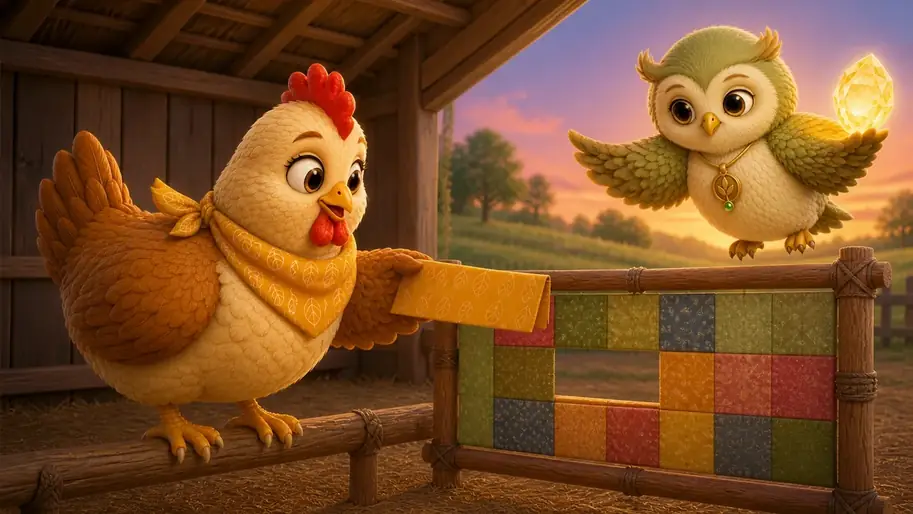
Open Kena’s worksheet on a tablet. Compare the ends of the strips with the spaces to fill. Your child marks a choice with the answer tool and checks it. Start with one task.
Open the tablet worksheet →Play at your own pace
What to notice
Can your child recognize a matching length in a still picture, without placing the strip in the frame?
Make it easier
Point to the beginning and end of the space. Return to the game if your child needs to see the strip move into place.
What comes next
Try again with a little less help. This worksheet is a gentle revisit, not a required harder level.
Activity 3Dralo: stopping at the right moment
Today
Return to matching button presses to lights. Give your child time to count or match one press to each light independently.
Play the adventure →Play at your own pace
What to notice
Does your child stop after the needed number of presses without a signal from you?
Make it easier
Point to the lights in turn, as in the first week. Reduce support only when your child feels comfortable.
What comes next
If the task feels comfortable, try another round. Otherwise, finish with a familiar task.
OPTIONAL IDEAOptional: places at the table
Today
Set out three plates and three spoons. Invite your child to put one spoon beside each plate. Change the number of places if your child wants another try.
What to notice
Does each place get one spoon, without skipping a place or adding a second spoon?
Make it easier
Start with two places. Saying the numbers aloud is optional.
What comes next
Try this again when setting the table for a meal.
OPTIONAL IDEAOptional: choose what to revisit
Today
Let your child choose Rilo, Kena, or Dralo. Repeat one activity from an earlier session.
What to notice
Privately note one specific action, such as independently replacing a strip that was too long.
Make it easier
Return to a level that feels comfortable for your child.
What comes next
Continue the chosen game or try the other path. There is no need to check off every activity.
Week 3 of 8
One Change, a New Collection
Can the same object belong in one collection but not another?
Activity 1Rilo: following one rule
Today
Return to collecting acorns. Before each try, give your child time to look at the example. Let them choose the place.
Play the adventure →Play at your own pace
What to notice
Does your child compare the object with the example before placing it?
Make it easier
Start with two clearly different kinds of objects. Remind your child of one rule without adding another.
What comes next
If your child wants to continue, choose the next activity this week. If they need another try, stay with this one.
Activity 2Two collections on the table
Today
Set out three large blocks and three spoons. First ask your child to collect the blocks. Put everything back and change the request: now collect the spoons.
What to notice
Does your child change their choice when the request changes, rather than repeating the previous move?
Make it easier
Start with two clearly different kinds of objects. Remind your child of one rule without adding another.
What comes next
If your child wants to continue, choose the next activity this week. If they need another try, stay with this one.
Activity 3Your child chooses the rule
Today
Using the same objects, let your child choose what to collect. Pick up one object and ask if it belongs. Your child can answer with a gesture.
What to notice
Does your child follow their own rule across several choices?
Make it easier
Start with two clearly different kinds of objects. Remind your child of one rule without adding another.
What comes next
Finish the week, choose an optional activity, or revisit a favorite.
OPTIONAL IDEAOptional: back to Rilo
Today
Play a few familiar tasks when your child wants to. Compare the collection in the game with the one on the table.
Play the adventure →Play at your own pace
What to notice
Does your child recognize the shared action: choosing what belongs?
Make it easier
Start with two clearly different kinds of objects. Remind your child of one rule without adding another.
What comes next
Finish the week, choose an optional activity, or revisit a favorite.
OPTIONAL IDEAOptional: one thing does not belong
Today
Place a block among three spoons. Invite your child to find the different kind of object. Then let them make an arrangement for you.
What to notice
Can your child make a clear example for someone else?
Make it easier
Start with two clearly different kinds of objects. Remind your child of one rule without adding another.
What comes next
Finish the week, choose an optional activity, or revisit a favorite.
Week 4 of 8
Same Number, Different Look
If we spread the objects apart, will there be more of them?
Activity 1Dralo: one light, one press
Today
In the early tasks, match presses to lights. Your child can point to each light once.
Play the adventure →Play at your own pace
What to notice
Does your child match one to one and stop at the needed number?
Make it easier
Stay with two or three objects. Allow matching in pairs instead of counting aloud.
What comes next
If your child wants to continue, choose the next activity this week. If they need another try, stay with this one.
Activity 2Two rows, the same number
Today
Pair three large blocks with three spoons. Spread the spoons apart without adding any. Let your child match the pairs again.
What to notice
Does your child check by matching, rather than relying on the length of the row?
Make it easier
Stay with two or three objects. Allow matching in pairs instead of counting aloud.
What comes next
If your child wants to continue, choose the next activity this week. If they need another try, stay with this one.
Activity 3Falo: cups and dots
Today
On the worksheet, count the cups containing water and choose the same number of dots. Point to each cup only once.
Open the tablet worksheet →Play at your own pace
What to notice
Can your child find the same number in pictures of different objects?
Make it easier
Stay with two or three objects. Allow matching in pairs instead of counting aloud.
What comes next
Finish the week, choose an optional activity, or revisit a favorite.
OPTIONAL IDEAOptional: setting the table
Today
Put one spoon beside each of three plates. Move the plates to new positions and check whether each still has a spoon.
What to notice
Does your child check the pairs after the plates move?
Make it easier
Stay with two or three objects. Allow matching in pairs instead of counting aloud.
What comes next
Finish the week, choose an optional activity, or revisit a favorite.
OPTIONAL IDEAOptional: your child makes the example
Today
Your child sets out two to four blocks. Match them with the same number of spoons and let your child check the arrangement.
What to notice
Can your child check someone else’s matching?
Make it easier
Stay with two or three objects. Allow matching in pairs instead of counting aloud.
What comes next
Finish the week, choose an optional activity, or revisit a favorite.
Week 5 of 8
Too Short, Too Long, Just Right
This time, look at both ends as well as the color.
Activity 1Kena: looking at both ends
Today
In a familiar task, your child chooses a strip, checks it, and replaces it if needed. Notice where the space ends.
Play the adventure →Play at your own pace
What to notice
Does your child notice an overhanging end or an empty space?
Make it easier
Line up the strips at the same starting point. Use two clearly different lengths.
What comes next
If your child wants to continue, choose the next activity this week. If they need another try, stay with this one.
Activity 2The same idea on a worksheet
Today
Open Kena’s worksheet. Compare lengths before marking a choice. Your child can trace the beginning and end of the frame with a finger.
Open the tablet worksheet →Play at your own pace
What to notice
Does your child compare lengths even without moving the strip?
Make it easier
Line up the strips at the same starting point. Use two clearly different lengths.
What comes next
If your child wants to continue, choose the next activity this week. If they need another try, stay with this one.
Activity 3A new space for a strip
Today
Prepare three paper strips: short, medium, and long. Trace the medium strip to make a space. Your child places the strips against it and chooses the one that fits.
What to notice
Does your child compare length regardless of the paper’s color?
Make it easier
Line up the strips at the same starting point. Use two clearly different lengths.
What comes next
Finish the week, choose an optional activity, or revisit a favorite.
OPTIONAL IDEAOptional: change the example
Today
Trace the longest of the same strips. Let your child change their previous choice.
What to notice
Does your child notice that the goal has changed?
Make it easier
Line up the strips at the same starting point. Use two clearly different lengths.
What comes next
Finish the week, choose an optional activity, or revisit a favorite.
OPTIONAL IDEAOptional: return to collections
Today
Return to Rilo for a few tries. Revisit an earlier skill without needing to move on.
Play the adventure →Play at your own pace
What to notice
Does your child remember the rule after a break?
Make it easier
Line up the strips at the same starting point. Use two clearly different lengths.
What comes next
Finish the week, choose an optional activity, or revisit a favorite.
Week 6 of 8
Parts Make a Whole
Can we fill the space with something other than one strip?
Activity 1Kena: matching again
Today
Try matching a strip a few times. If the game introduces a harder task, try it only if your child wants to.
Play the adventure →Play at your own pace
What to notice
Does your child compare the whole filled length with the space?
Make it easier
First check that the pieces you prepare fill the space exactly. Show how to place them end to end without overlapping.
What comes next
If your child wants to continue, choose the next activity this week. If they need another try, stay with this one.
Activity 2One strip or two?
Today
Prepare one strip and two shorter strips whose combined length is exactly the same. Trace the long strip and try both ways of filling the space.
What to notice
Does your child notice that two pieces together can fill the same space as one?
Make it easier
First check that the pieces you prepare fill the space exactly. Show how to place them end to end without overlapping.
What comes next
If your child wants to continue, choose the next activity this week. If they need another try, stay with this one.
Activity 3Closing the gap
Today
Separate the two short strips inside the traced space. Invite your child to adjust them until there is no gap or overhanging end.
What to notice
Does your child move the pieces instead of immediately looking for different ones?
Make it easier
First check that the pieces you prepare fill the space exactly. Show how to place them end to end without overlapping.
What comes next
Finish the week, choose an optional activity, or revisit a favorite.
OPTIONAL IDEAOptional: your child shows a way
Today
Your child chooses one long strip or two short ones. Try the other solution yourself. Compare the ends together.
What to notice
Does your child accept two arrangements that both work?
Make it easier
First check that the pieces you prepare fill the space exactly. Show how to place them end to end without overlapping.
What comes next
Finish the week, choose an optional activity, or revisit a favorite.
OPTIONAL IDEAOptional: counting lights
Today
Revisit a few familiar tasks with Dralo. Keep the number of strips separate from their length: these are two different features.
Play the adventure →Play at your own pace
What to notice
Does your child stop at the number of lights shown?
Make it easier
First check that the pieces you prepare fill the space exactly. Show how to place them end to end without overlapping.
What comes next
Finish the week, choose an optional activity, or revisit a favorite.
Week 7 of 8
Look at the Goal, Then Choose
Give your child time to look at the task before touching an answer.
Activity 1Rilo: what are we collecting?
Today
Allow a moment to look at the example before the first move. You might ask, “What belongs here?”
Play the adventure →Play at your own pace
What to notice
Does your child look at the example without a reminder every time?
Make it easier
Remind your child only of the goal. If they need a demonstration or a rest, offer support or stop.
What comes next
If your child wants to continue, choose the next activity this week. If they need another try, stay with this one.
Activity 2Kena: choose, then check
Today
Your child chooses a strip, then checks it. Wait for the result instead of confirming the choice beforehand.
Play the adventure →Play at your own pace
What to notice
Does your child use the result to make an adjustment?
Make it easier
Remind your child only of the goal. If they need a demonstration or a rest, offer support or stop.
What comes next
If your child wants to continue, choose the next activity this week. If they need another try, stay with this one.
Activity 3Dralo: at my own pace
Today
Let your child choose the number of presses in a familiar task. Give them time to work without counting for them.
Play the adventure →Play at your own pace
What to notice
Does your child keep track of their actions, even when working slowly?
Make it easier
Remind your child only of the goal. If they need a demonstration or a rest, offer support or stop.
What comes next
Finish the week, choose an optional activity, or revisit a favorite.
OPTIONAL IDEAOptional: what should we choose today?
Today
Show your child the links to Rilo, Kena, and Dralo from earlier activities. Let them choose a familiar action for a short revisit.
What to notice
Does your child choose based on what they want to do?
Make it easier
Remind your child only of the goal. If they need a demonstration or a rest, offer support or stop.
What comes next
Finish the week, choose an optional activity, or revisit a favorite.
OPTIONAL IDEAOptional: show me without words
Today
At the table, your child shows how to make a collection or match a strip. Follow their method.
What to notice
Can your child share an idea through actions?
Make it easier
Remind your child only of the goal. If they need a demonstration or a rest, offer support or stop.
What comes next
Finish the week, choose an optional activity, or revisit a favorite.
Week 8 of 8
Our Collection of Discoveries
Revisit favorite tasks and choose an idea to use in everyday life.
Activity 1Rilo’s favorite collection
Today
Return to the familiar game and let your child choose when to finish after a short play session.
Play the adventure →Play at your own pace
What to notice
Notice one specific action: comparing, choosing, or adjusting.
Make it easier
Skip the final test. One enjoyable try is enough, even with support.
What comes next
If your child wants to continue, choose the next activity this week. If they need another try, stay with this one.
Activity 2Kena: my way
Today
Invite your child to match a strip in their own way. Then try the same idea with paper strips.
Play the adventure →Play at your own pace
What to notice
Does your child use a familiar approach with a different material?
Make it easier
Skip the final test. One enjoyable try is enough, even with support.
What comes next
If your child wants to continue, choose the next activity this week. If they need another try, stay with this one.
Activity 3Choose your next beginning
Today
Choose a week about numbers, lengths, or collections to revisit together. A child ready to plan can try the other path.
What to notice
What sparks your child’s curiosity and holds their interest?
Make it easier
Skip the final test. One enjoyable try is enough, even with support.
What comes next
Finish the week, choose an optional activity, or revisit a favorite.
OPTIONAL IDEAOptional: one discovery for you
Today
Privately write one sentence about your child’s action, such as “They lined up the strips at the same starting point.” No scores or comparisons with other children.
What to notice
Does your note describe something you actually observed?
Make it easier
Skip the final test. One enjoyable try is enough, even with support.
What comes next
Finish the week, choose an optional activity, or revisit a favorite.
OPTIONAL IDEAOptional: set the table together
Today
At your next meal, invite your child to put one spoon at each place. No separate lesson is needed.
What to notice
Does your child enjoy using the familiar action in everyday life?
Make it easier
Skip the final test. One enjoyable try is enough, even with support.
What comes next
Finish the week, choose an optional activity, or revisit a favorite.
8 weeks · 24 core activities + 16 optional ideas
Plan, Try, and Adjust
Enjoys experimenting and building? Start today with Falo: add or remove water and watch what changes.
Try about 5–10 minutes per activity, or stop sooner. Choose your own days. A missed activity does not create a backlog. These are ideas for playing together, not a test or an individualized development program.
All weeks are available now. Revisit them or change the order. Each week has three core activities and two optional ideas.
Week 1 of 8
Try It and See What Happens
Choose your first activity. Open the others whenever you are ready.
Activity 1Falo: changing the amount
Today
Start with the first level. Your child adds and removes water, watches the level, and matches it to the target shown.
Play the adventure →Game · Suggested ages 3–5
What to notice
Does your child connect adding water with a rising level and removing water with a falling level?
Make it easier
Pause after one press and look at the cup. If needed, press the button your child indicates.
What comes next
Before moving on, let your child change the amount a few times independently. The next adventure explores changing a choice while building.
Activity 2Kena: changing my choice
Today
Choose a strip for the space in the quilt. After checking, your child can remove it and try another. Leave the adjustment to them.
Play the adventure →Game · Suggested ages 3–5
What to notice
After seeing that a strip extends too far, does your child try a shorter one?
Make it easier
Compare the ends of the strip and the space. If your child feels frustrated, show how to remove the strip and let them choose what to try next.
What comes next
Repeat the task or try Pim if your child wants to plan two moves in sequence.
Activity 3Pim: plan first, then check
Today
On the first level, plan the jumps: first to the flower, then to the boat. Start the attempt after planning the route.
Play the adventure →Game · Suggested ages 4–6
What to notice
Does your child include both goals in the right order? Look at the plan as well as the final reward.
Make it easier
Find the flower and the boat first. Identify the first step together and leave the second to your child. Suggested ages are 4–6; a younger child can stay with Falo or Kena.
What comes next
If the sequence is still tricky, try a short route together again. When it makes sense, plan another route.
OPTIONAL IDEAOptional: a route across the room
Today
Use a toy as a delivery and an empty container as the destination. Your child points out or walks the route: pick up the delivery first, then put it in the container. Keep the space clear and safe.
What to notice
Does your child remember the stop along the way?
Make it easier
Walk the route together. Leave out counting steps if it distracts from the main goal.
What comes next
Switch roles: your child shows the plan and you follow it. Check together that the delivery arrived.
OPTIONAL IDEAOptional: revisit an idea
Today
Return to Falo, Kena, or Pim. Your child chooses one thing to try again. A familiar task can be the whole activity.
Play the adventure →Game · Suggested ages 3–5
What to notice
Can your child change one part instead of starting over without a plan?
Make it easier
Offer one possible change without completing the whole solution.
What comes next
Repeating is a useful next step. Choose a new level when the current action makes sense and your child wants to continue.
Week 2 of 8
Less Prompting, More Choice
Choose your first activity. Open the others whenever you are ready.

Activity 1Falo: planning a change in amount
Today
Return to the cups. Before pressing a button, your child indicates whether to add or remove water. Then they make one change and look at the result.
Play the adventure →Play at your own pace
What to notice
Does your child choose a direction that fits the goal, rather than alternating buttons without looking?
Make it easier
Compare the current level with the target. Make one change together.
What comes next
When the connection is clear, try a short worksheet activity. You can still stay with one cup.
Activity 2Falo: counting on a worksheet
Today
Open the cup worksheet on a tablet. Your child points to each cup containing water, marks the matching number of dots, and checks the choice.
Open the tablet worksheet →Play at your own pace
What to notice
Is your child counting cups rather than water-level marks? The question has changed: now we are counting containers, not measuring water.
Make it easier
Point to each cup in turn. Your child can indicate an answer and you can mark it.
What comes next
If the worksheet feels easy, use it as a quick revisit and return to the game. Every activity does not need to be harder than the last.
Activity 3Pim: my own two-step plan
Today
Return to a short route to the flower and then the boat. This time, your child plans both jumps before starting. If the plan does not work, find the part that needs changing together.
Play the adventure →Play at your own pace
What to notice
Does your child include the flower stop and finish at the boat without you pointing to each lily pad?
Make it easier
Remind your child of the order: flower, then boat. You can help with the first jump.
What comes next
If your child plans the route independently and wants to keep playing, try another round. Otherwise, repeat a familiar route.
OPTIONAL IDEAOptional: matching on the table
Today
Cut two paper strips of different lengths and trace a space that fits exactly one of them. Your child compares the strips and chooses the one that fits. An adult prepares the materials.
What to notice
After seeing an overhanging end, does your child try the other strip?
Make it easier
Line up both strips at the same starting point.
What comes next
Prepare a new space that fits the other strip. Keep it playful.
OPTIONAL IDEAOptional: show me your idea
Today
Your child chooses Falo, Kena, or Pim. Watch one attempt and offer help when it is needed.
What to notice
What did your child change after seeing the result? Notice the action, not the number of stars.
Make it easier
Offer help when your child needs it. Independence grows with support available.
What comes next
Revisit either week in any order. Save the place where you would like to continue.
Week 3 of 8
One Change, a Visible Result
What happens if we change just one thing?
Activity 1Falo: look first
Today
Your child adds water once, pauses, and looks at the level. Then they can remove water once and compare again.
Play the adventure →Play at your own pace
What to notice
Does your child notice the direction of the change?
Make it easier
Stay with one move. Help your child notice its effect before suggesting another change.
What comes next
If your child wants to continue, choose the next activity this week. If they need another try, stay with this one.
Activity 2Kena: replace one piece
Today
In a familiar task, let your child check a strip. If it does not fit, let them remove that piece and try another.
Play the adventure →Play at your own pace
What to notice
Does the adjustment follow from noticing the mismatch?
Make it easier
Stay with one move. Help your child notice its effect before suggesting another change.
What comes next
If your child wants to continue, choose the next activity this week. If they need another try, stay with this one.
Activity 3Two tries on the table
Today
Prepare a traced space and two strips, only one of which fits. Your child lines up one strip and then the other at the same starting point.
What to notice
Does your child compare the results of both attempts?
Make it easier
Stay with one move. Help your child notice its effect before suggesting another change.
What comes next
Finish the week, choose an optional activity, or revisit a favorite.
OPTIONAL IDEAOptional: reverse the change
Today
Add water once and remove it once. Watch whether the level returns to its previous position.
Play the adventure →Play at your own pace
What to notice
Does your child notice that a change can be reversed?
Make it easier
Stay with one move. Help your child notice its effect before suggesting another change.
What comes next
Finish the week, choose an optional activity, or revisit a favorite.
OPTIONAL IDEAOptional: time for a break
Today
Choose a familiar activity away from the screen. Stop when your child loses interest. You can return another day.
What to notice
What helps your child finish calmly?
Make it easier
Stay with one move. Help your child notice its effect before suggesting another change.
What comes next
Finish the week, choose an optional activity, or revisit a favorite.
Week 4 of 8
A Route with a Stop
Reaching the end is only part of the task: something needs to be picked up along the way.
Activity 1Pim: flower before boat
Today
Find both goals before planning. Your child chooses a route to the flower and then the boat, and starts the attempt.
Play the adventure →Play at your own pace
What to notice
Does your child remember the stop instead of heading straight to the finish?
Make it easier
Use two clear goals. You can point out the first and leave the second to your child.
What comes next
If your child wants to continue, choose the next activity this week. If they need another try, stay with this one.
Activity 2A delivery across the room
Today
Place a large toy and a box in two different spots on a clear floor. Your child picks up the toy first, then takes it to the box.
What to notice
Does your child keep the two actions in order?
Make it easier
Use two clear goals. You can point out the first and leave the second to your child.
What comes next
If your child wants to continue, choose the next activity this week. If they need another try, stay with this one.
Activity 3Pim: back after a break
Today
Return to a short route. Your child makes a plan; wait until they start it before commenting.
Play the adventure →Play at your own pace
What to notice
Does your child use the sequence practiced in the room?
Make it easier
Use two clear goals. You can point out the first and leave the second to your child.
What comes next
Finish the week, choose an optional activity, or revisit a favorite.
OPTIONAL IDEAOptional: you make the delivery
Today
Your child shows you the stop and destination. Follow the route, then check together that the toy arrived.
What to notice
Does your child keep track of both goals?
Make it easier
Use two clear goals. You can point out the first and leave the second to your child.
What comes next
Finish the week, choose an optional activity, or revisit a favorite.
OPTIONAL IDEAOptional: an easy, familiar task
Today
Return to matching one strip. Take a break from planning routes.
Play the adventure →Play at your own pace
What to notice
Does your child want to revisit a familiar action?
Make it easier
Use two clear goals. You can point out the first and leave the second to your child.
What comes next
Finish the week, choose an optional activity, or revisit a favorite.
Week 5 of 8
Choose Before You Tap
A prediction can be a gesture: add, remove, replace, or stop.
Activity 1Falo: choose a direction
Today
Before moving, your child looks at the target and indicates whether to add or remove water. Then they make the move and check the result.
Play the adventure →Play at your own pace
What to notice
Does the chosen direction fit the goal?
Make it easier
A spoken explanation is optional. Pointing to a direction or a piece is enough.
What comes next
If your child wants to continue, choose the next activity this week. If they need another try, stay with this one.
Activity 2Kena: which one will I try?
Today
Your child looks at the strips first and chooses one to try. Allow them to test an idea that may not work.
Play the adventure →Play at your own pace
What to notice
Does your child compare lengths before choosing?
Make it easier
A spoken explanation is optional. Pointing to a direction or a piece is enough.
What comes next
If your child wants to continue, choose the next activity this week. If they need another try, stay with this one.
Activity 3Pim: my first step
Today
Your child points to the first jump, then plans the rest of a short route. You do not need to confirm every move.
Play the adventure →Play at your own pace
What to notice
Does the first step help your child reach the flower?
Make it easier
A spoken explanation is optional. Pointing to a direction or a piece is enough.
What comes next
Finish the week, choose an optional activity, or revisit a favorite.
OPTIONAL IDEAOptional: predict with a strip
Today
Show a strip beside a traced space. Your child indicates whether they want to try it. Then check the fit by placing it in the space.
What to notice
Does your child compare the prediction with the result?
Make it easier
A spoken explanation is optional. Pointing to a direction or a piece is enough.
What comes next
Finish the week, choose an optional activity, or revisit a favorite.
OPTIONAL IDEAOptional: choose a repeat
Today
Your child chooses one of today’s three actions: pouring, matching, or finding a route. Return to the matching game.
What to notice
Can your child indicate an action that interests them?
Make it easier
A spoken explanation is optional. Pointing to a direction or a piece is enough.
What comes next
Finish the week, choose an optional activity, or revisit a favorite.
Week 6 of 8
Check Both Goals
Does the solution do everything we need?
Activity 1Pim: the flower and the destination
Today
After a short route, check both goals together: picking up the flower and reaching the boat.
Play the adventure →Play at your own pace
What to notice
Does your child notice both goals, as well as the completed movement?
Make it easier
If two goals feel overwhelming, check them one at a time. Leave out time limits.
What comes next
If your child wants to continue, choose the next activity this week. If they need another try, stay with this one.
Activity 2Kena: no gaps or overhangs
Today
After matching a strip, look at the beginning and end. Is the space filled with nothing sticking out?
Play the adventure →Play at your own pace
What to notice
Does your child look at the whole fit?
Make it easier
If two goals feel overwhelming, check them one at a time. Leave out time limits.
What comes next
If your child wants to continue, choose the next activity this week. If they need another try, stay with this one.
Activity 3Strips on the table
Today
Return to Kena’s simple worksheet. Check the fit by comparing both ends. Look at the frame before marking a choice.
Open the tablet worksheet →Play at your own pace
What to notice
Does your child use the same checks in a picture?
Make it easier
If two goals feel overwhelming, check them one at a time. Leave out time limits.
What comes next
Finish the week, choose an optional activity, or revisit a favorite.
OPTIONAL IDEAOptional: two things to remember
Today
Set out two boxes and a large toy. Agree on the task: pick up the toy and place it in the chosen box. Let your child try.
What to notice
Does your child remember both the object and its destination?
Make it easier
If two goals feel overwhelming, check them one at a time. Leave out time limits.
What comes next
Finish the week, choose an optional activity, or revisit a favorite.
OPTIONAL IDEAOptional: a gentle turn with Falo
Today
Try a few water-level changes in one cup. Return to a single goal.
Play the adventure →Play at your own pace
What to notice
Does a simpler task help keep the play enjoyable?
Make it easier
If two goals feel overwhelming, check them one at a time. Leave out time limits.
What comes next
Finish the week, choose an optional activity, or revisit a favorite.
Week 7 of 8
Adjust My Plan
A try that does not work can show us what to change.
Activity 1Kena: noticing a mismatch
Today
If a strip does not fit, pause to give your child time to respond. If needed, point to the overhanging part or the gap.
Play the adventure →Play at your own pace
What to notice
Does your child make a change after noticing the result?
Make it easier
Leave your child’s plan intact. Use a mistake that happens naturally or an example you set up together on the table.
What comes next
If your child wants to continue, choose the next activity this week. If they need another try, stay with this one.
Activity 2Falo: back toward the goal
Today
If the water passes the target, your child can change direction. They do not have to start the whole task again.
Play the adventure →Play at your own pace
What to notice
Does your child adjust based on the current level?
Make it easier
Leave your child’s plan intact. Use a mistake that happens naturally or an example you set up together on the table.
What comes next
If your child wants to continue, choose the next activity this week. If they need another try, stay with this one.
Activity 3Pim: change one step
Today
Before starting, let your child review the short route. If they want to change the last planned jump, use undo.
Play the adventure →Play at your own pace
What to notice
Does your child change one specific step instead of giving up on the whole idea?
Make it easier
Leave your child’s plan intact. Use a mistake that happens naturally or an example you set up together on the table.
What comes next
Finish the week, choose an optional activity, or revisit a favorite.
OPTIONAL IDEAOptional: fix it on the table
Today
Place two matching paper strips with a gap between them on a prepared outline. Your child moves them to fill the space.
What to notice
Does your child adjust the arrangement without replacing all the pieces?
Make it easier
Leave your child’s plan intact. Use a mistake that happens naturally or an example you set up together on the table.
What comes next
Finish the week, choose an optional activity, or revisit a favorite.
OPTIONAL IDEAOptional: I need some help
Today
In a chosen game, your child can point to where they need help. Show one step, then return the controls.
What to notice
Does the help allow your child to get involved again?
Make it easier
Leave your child’s plan intact. Use a mistake that happens naturally or an example you set up together on the table.
What comes next
Finish the week, choose an optional activity, or revisit a favorite.
Week 8 of 8
Your Child Leads the Adventure
Finish by choosing an idea you would like to keep and revisit.
Activity 1My route with Pim
Today
Your child plans a short, familiar route at their own pace. Watch and help when asked or when they are visibly struggling.
Play the adventure →Play at your own pace
What to notice
Notice one specific part of the plan your child chose independently.
Make it easier
This week is for choosing and revisiting. It is not a final test. Support is still available.
What comes next
If your child wants to continue, choose the next activity this week. If they need another try, stay with this one.
Activity 2My change with Falo
Today
Your child makes a few water-level changes and chooses when to finish after a short play session.
Play the adventure →Play at your own pace
What to notice
Does your child look at the effect of their own move?
Make it easier
This week is for choosing and revisiting. It is not a final test. Support is still available.
What comes next
If your child wants to continue, choose the next activity this week. If they need another try, stay with this one.
Activity 3Choose our next adventure
Today
Revisit a favorite week or try the path about collections, numbers, and matching. Follow your child’s interests rather than the number of completed tasks.
What to notice
Which kind of action does your child want to repeat?
Make it easier
This week is for choosing and revisiting. It is not a final test. Support is still available.
What comes next
Finish the week, choose an optional activity, or revisit a favorite.
OPTIONAL IDEAOptional: my idea at home
Today
Your child chooses a delivery game or paper-strip matching. Prepare a simple setup together.
What to notice
Does your child use the idea in a familiar situation at home?
Make it easier
This week is for choosing and revisiting. It is not a final test. Support is still available.
What comes next
Finish the week, choose an optional activity, or revisit a favorite.
OPTIONAL IDEAOptional: keep one memory
Today
Privately note one observation, such as “They changed the last jump before starting.” Compare it with an earlier attempt only if you remember a specific example.
What to notice
Does your note describe an action rather than label your child’s ability?
Make it easier
This week is for choosing and revisiting. It is not a final test. Support is still available.
What comes next
Finish the week, choose an optional activity, or revisit a favorite.